In this series we are reprinting Spokesman articles by early leaders in the CLC. Pastor Emeritus James Albrecht is the curator of the series. Rev. Eugene H. Rutz (1942-2008) was among the first students to graduate from Immanuel Seminary. He held pastorates in Missoula, Montana, Stambaugh, Michigan, and Spring, Texas. This article is from the Lutheran Spokesman of May 2003. Scripture quotations are from the New King James Version.
When young people approach the altar on Palm Sunday or on some other Sunday of the church year, when they kneel down and have the pastor put his hand on their heads, are they being confirmed in their faith? The answer to this question may be “Yes” insofar as the Word of God is being used in connection with this service, and the Gospel “is the power of God to salvation for everyone who believes.” (Romans 1:16) But we are not to look upon the Rite of Confirmation as some magical ceremony whereby special power is flowing through the pastor’s hand to the young person.
Why is the word confirmation used in connection with this ceremony? Listening carefully to what is spoken during that service, you will catch the explanation. In the Rite of Confirmation in The Lutheran Agenda, the following words are read to the congregation: “The catechumens publicly make profession of the true faith, confirming the covenant made between them and God.” And again, the following words are read to the confirmands: “You are gathered here before God and this Christian congregation publicly to make profession of your faith in the Triune God and to confirm your covenant with Him.” So the young people are doing something toward God and the Christian congregation; they are not having something done to them. They are confirming—that is, acknowledging and agreeing to—the covenant made between them and God at their baptisms. They are not “being confirmed” in the sense that something is being done to them.
The adjectives used in the church to make this distinction are sacramental and sacrificial. Sacramental refers to anything by which or through which God’s grace comes to us. Thus Baptism and Holy Communion are sacraments. In connection with His Word and through these ceremonies, God gives us the special blessing of the forgiveness of sins.
Prayer and good works, on the other hand, can be called sacrificial. This should not be understood in the sense that we are appeasing God’s anger over sin by doing these things. Even the sacrifices in the Old Testament had no power in themselves to reconcile man to God. “For it is not possible that the blood of bulls and goats could take away sins.” (Hebrews 10:4) Those sacrifices were valuable because they were pictures of the sacrifice Jesus would later make on the cross. We now use the adjective sacrificial to refer to those things a child of God does out of love for God and in appreciation for what God has done for him.
Getting back to confirmation—while we are certainly allowed to speak of our young people “being confirmed” in the faith and in their knowledge of God’s Word through their instruction in Luther’s Small Catechism, let us be aware that such speaking could cloud people’s understanding of the Rite of Confirmation. Again, in the Rite of Confirmation a person is confirming the covenant God made with him at his Baptism.
That is why, in my thirty-three years in the ministry, I always spoke of “catechism instruction” for that class which precedes the Rite of Confirmation.
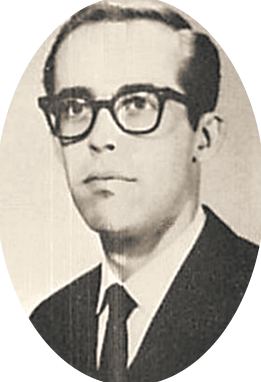
– 1942-2008